20 anger management quotes to help you stay calm, pause, and respond instead of react, simple reminders to choose peace over regret in heated moments.
August 11, 2026
·
4 min
Anger itself isn't the enemy; losing control of it is. Learning to pause, breathe, and respond instead of react is a skill anyone can build, one calmer moment at a time.
These 20 anger management quotes are quick, practical reminders you can reach for the instant your temper starts to rise, helping you choose peace over regret.
1. “Anger is momentary madness, so control your passion or it will control you.”
2. “Control your anger, don't let your anger control you. If you are mad, don't say anything you'll regret later. Calm down and then do whatever you have to do.”
3. “A moment of patience in a moment of anger saves you a hundred moments of regret.”
4. “Anger is like a storm rising up from the bottom of your consciousness. When you feel it coming, turn your focus to your breath.”
5. “You can't control what happens, but you can control how you react. Choose calm over frustration.”
6. “Anger doesn't demand action. When you act in anger, you lose self-control.”
7. “Let go of anger, and find peace.”
8. “Responding in a calm manner will diffuse an explosive situation, rather than reacting wildly.”
9. “When you feel anger beginning to build up inside of you, let your whole body droop and relax while beginning to breathe slowly from the diaphragm.”
10. “Calmness is a human superpower. The ability to not overreact or take things personally keeps your mind clear and your heart at peace.”
11. “The calmer you are, the clearer you think. Let your decisions come from a place of peace, not from reaction.”
12. “I choose to let go of anger.”
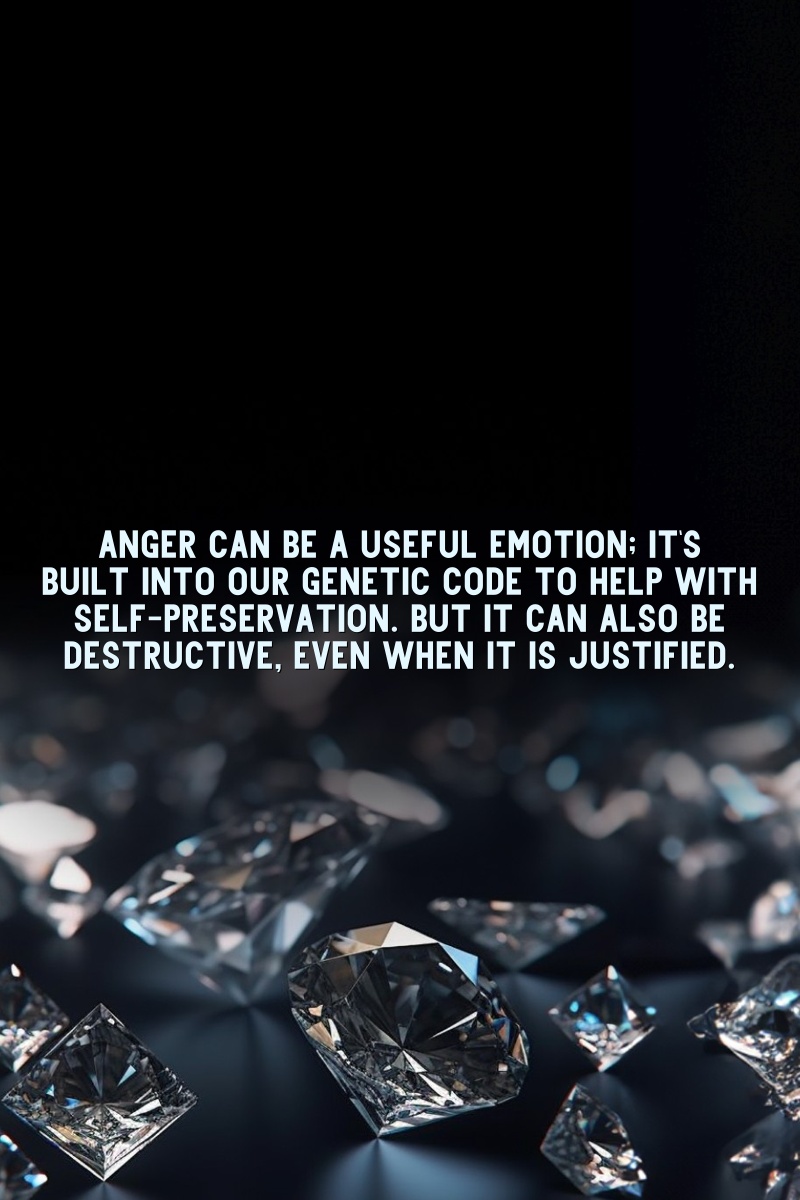
13. “Anger can be a useful emotion; it's built into our genetic code to help with self-preservation. But it can also be destructive, even when it is justified.”
14. “Take time to breathe, to calm down.”
15. “Take a deep breath and pause your mind. Don't let your emotions overwhelm you.”
16. “I choose to forgive and let go of anger.”
17. “You can survive with anger, but you can't live with it forever.”
18. “Prioritize your peace. Practice being calm even when you're upset or facing challenges.”
19. “Knowing how to speak up yet remain calm is the key to inner peace.”
20. “When you're in a frustrating situation, you can distract yourself by taking a shower, going for a walk, writing in a journal, or listening to music.”
Why managing anger matters
Anger is a natural, even useful emotion, but left unchecked it clouds your judgment and pushes you toward words and actions you later regret. The goal is not to suppress what you feel but to keep it from taking the wheel. A single moment of patience really can save you a hundred moments of regret.
Notice the pattern in the quotes above: nearly all of them point back to the breath. Slowing down your body slows down your mind, and that small pause is where self-control lives. Pair these reminders with simple habits, counting to ten, stepping away, or moving your body, and calm becomes your default rather than the exception.
What is the fastest way to calm down when I'm angry?
Return to your breath. Take a slow, deep breath from the diaphragm and let your body relax before you say or do anything. That short pause interrupts the surge of anger and gives your rational mind time to catch up.
Is it bad to feel angry?
No. Anger is a normal emotion that is even built into us for self-preservation. The problem isn't feeling it, it's acting on it impulsively. Managing anger means acknowledging the feeling while choosing how you respond.
How do I stop saying things I regret when I'm mad?
Create space before you speak. Step away, count to ten, or distract yourself with a walk, a shower, or music until the intensity passes. Responding calmly diffuses a tense situation, while reacting wildly almost always makes it worse.
Can I really train myself to be calmer?
Yes. Calmness is a skill that strengthens with practice. Each time you pause instead of react, you reinforce the habit, and over time staying composed under pressure starts to feel natural.